Photovoltaic Systems
Generate your own electricity from the sun.
Modern photovoltaic solutions for generating electricity from solar energy – from site survey and design to installation, commissioning and maintenance.
Free Site Survey and Quote →A photovoltaic system turns your roof into a quiet, low-maintenance power plant.
A correctly sized PV system covers a large share of a building’s daytime electricity demand.
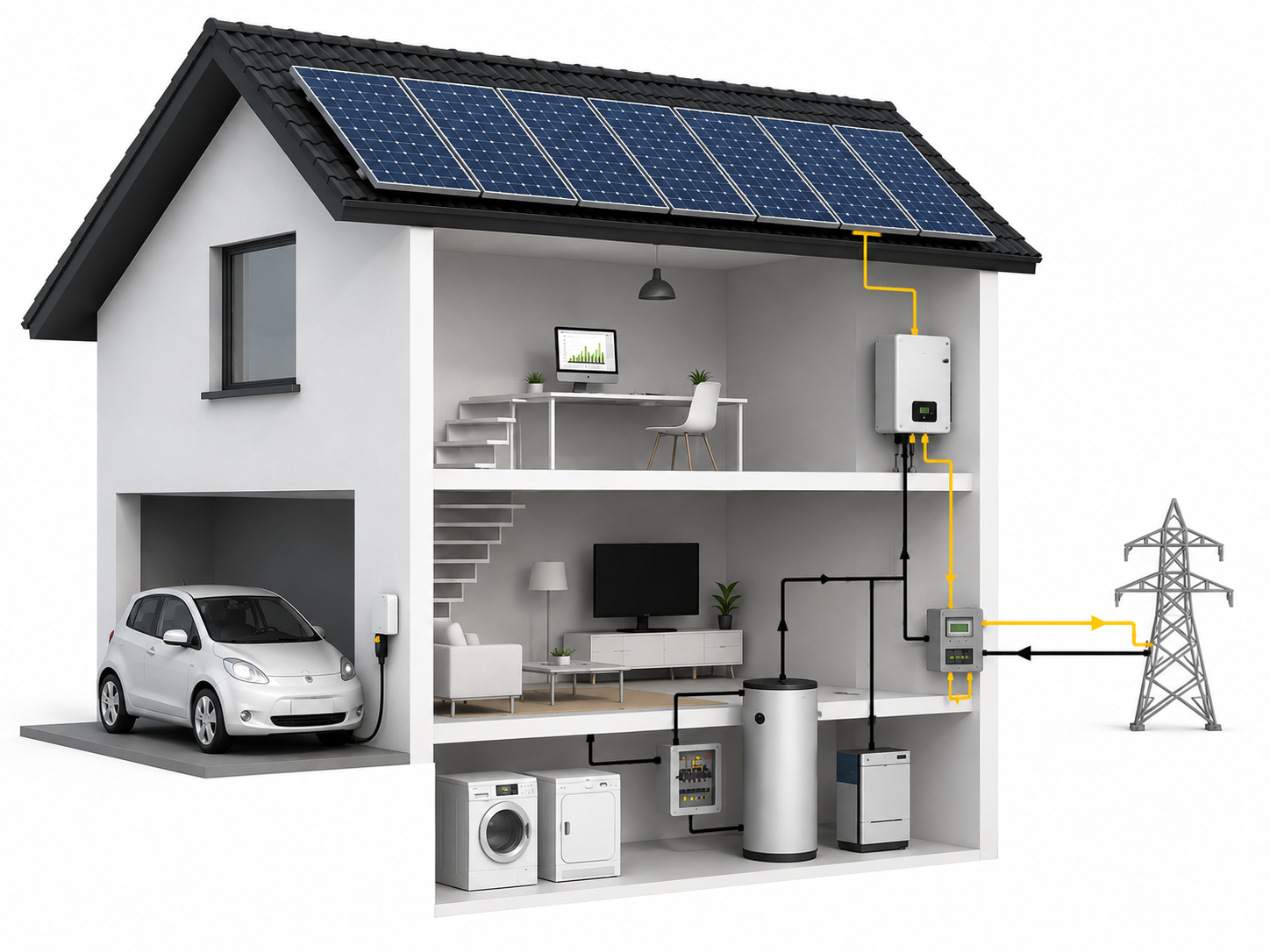
Photovoltaic modules convert sunlight directly into direct current (DC). The inverter converts it into alternating current (AC) for use in the building. Solar power is consumed on site first; any surplus is exported to the grid or stored in a battery.
Photovoltaics do not heat water directly. Solar hot water is produced with solar thermal collectors – different equipment and a different design.
Which photovoltaic system suits which building?
The choice depends on roof area and orientation, shading, annual consumption, the daily load profile and grid connection conditions.
Grid-tied PV systems
The most common solution. Power is used in the building and the surplus is exported to the grid. Well suited to homes and businesses with high daytime consumption.
Key points
| Parameter | Typical value / note |
|---|---|
| Annual yield (Central Europe, south-facing roof) | approx. 900–1,100 kWh per kWp per year |
| Roof area required | approx. 4.5–5.5 m² per kWp, depending on module |
| Module technology | Monocrystalline (TOPCon / PERC), typically 25+ year performance warranty |
| Yield calculation | Site-specific PVGIS irradiation data, tilt, orientation and shading |
PV with battery storage
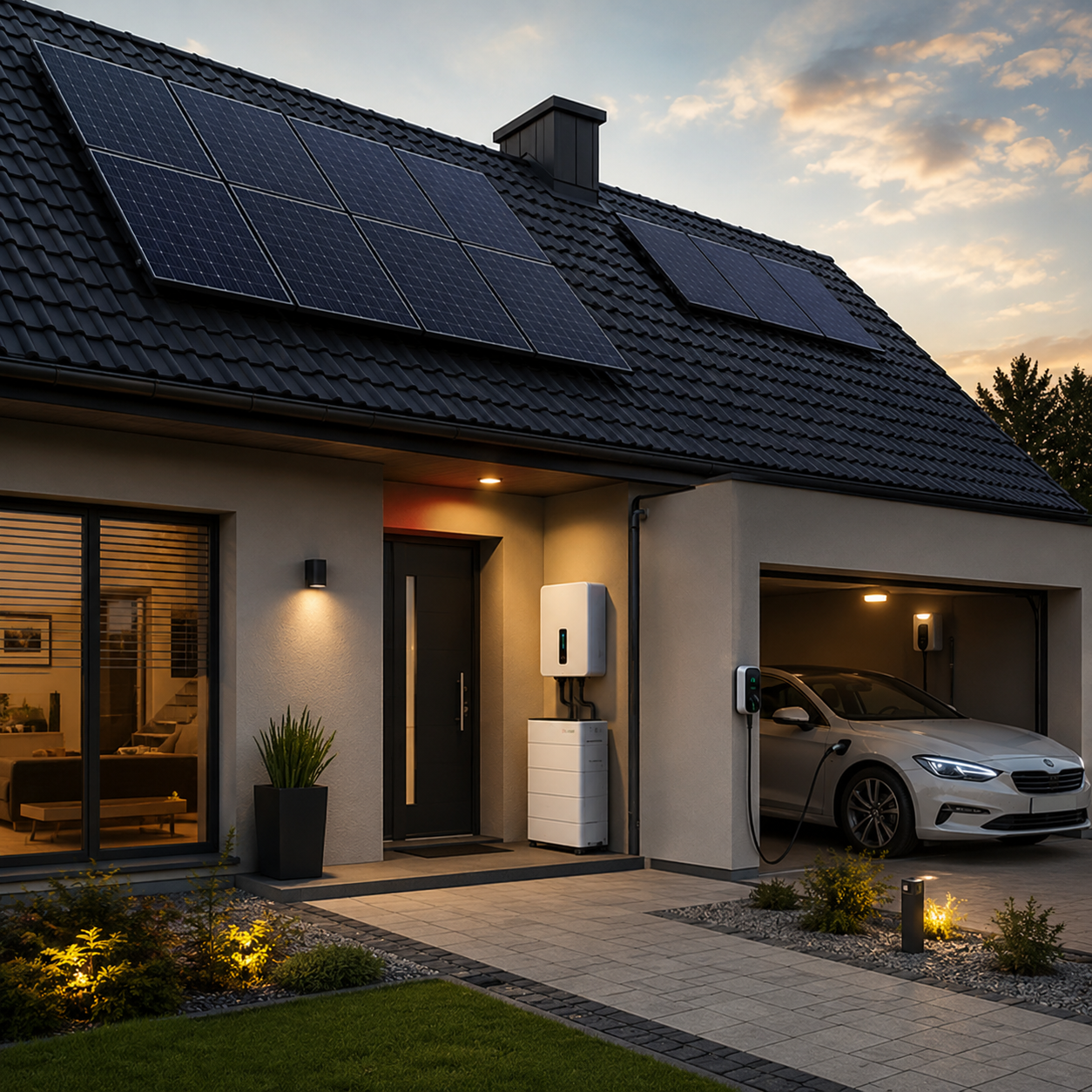
A hybrid inverter and battery (usually LiFePO4) let you use daytime solar energy in the evening and at night. Self-consumption rises, and with the right configuration selected circuits can keep running during a grid outage.
When does it make sense?
Photovoltaics with a heat pump
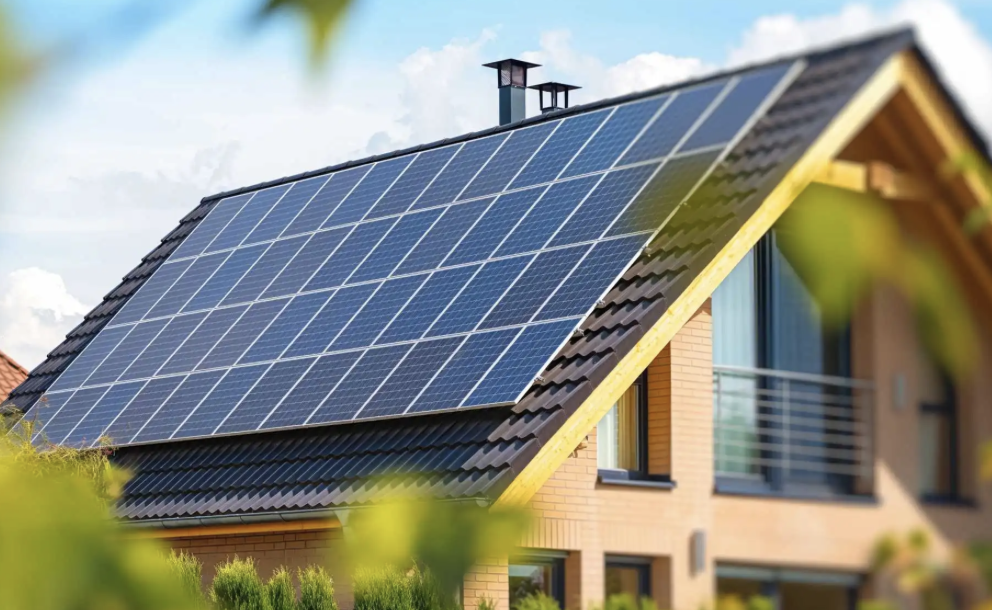
A heat pump runs on electricity, which makes it an ideal partner for PV. Energy management prioritises the heat pump and hot water during hours of high production. HYDRATERM also designs the heating side, so both systems are planned together.
Benefits
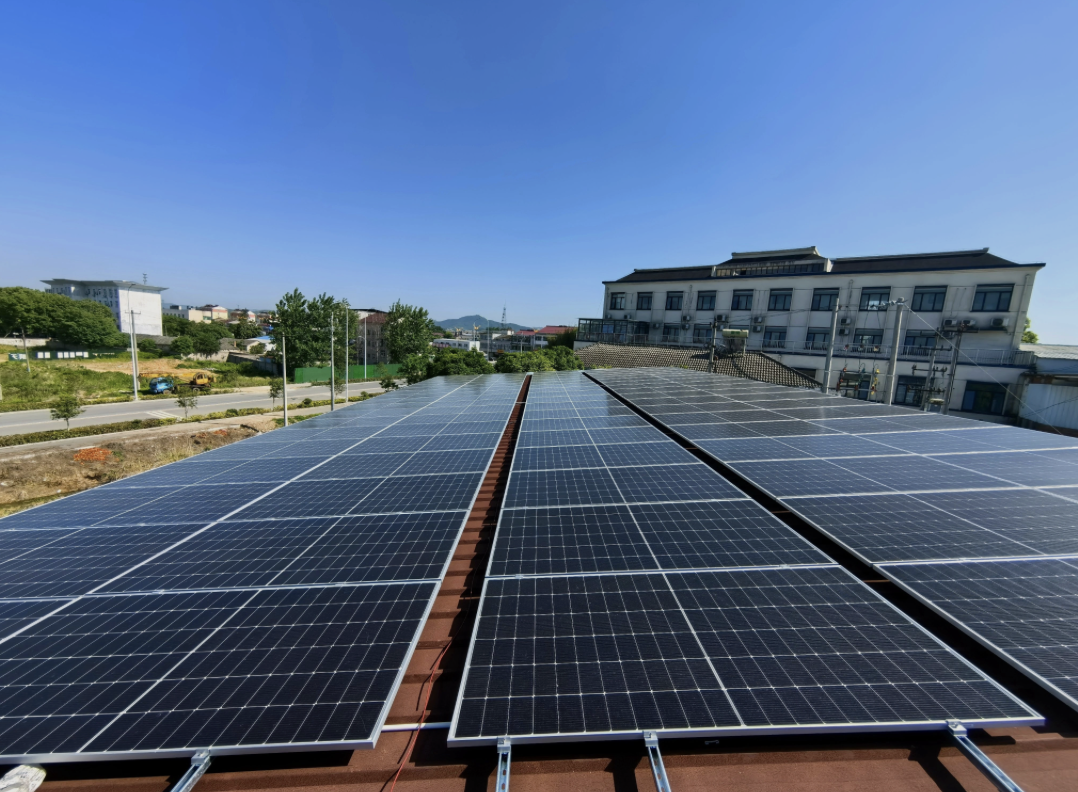
Commercial and industrial PV
Warehouses, workshops, hotels and plants combine large roof areas with high daytime demand. On flat roofs, ballasted or anchored mounting, row spacing and structural loads are calculated together.
What we assess
From site survey to commissioning
1. Site survey and analysis
Roof orientation, tilt, shading, distribution board and consumption data are checked on site.
2. Design and yield forecast
Module layout, inverter selection and annual yield; system size is matched to consumption.
3. Installation and connection
Mounting system, modules and inverter; electrical connection by qualified electricians with DC/AC protection and surge protection.
4. Commissioning and maintenance
Test report, documents for grid notification, monitoring setup and periodic inspection.
What to consider when choosing a PV system
Shading reduces yield
Shade from chimneys, trees or neighbouring buildings affects the whole string; optimisers or a different string layout can help.
Bigger is not always better
System size should follow annual consumption and when that consumption occurs.
A battery is not always needed
Battery economics depend on the load profile and the value of exported energy.
Roof condition and fire safety
Roof condition, load-bearing capacity and fire safety requirements are assessed at the design stage.
Let’s plan the right photovoltaic system for your roof.
We prepare an initial quote based on irradiation data for your address, your roof area and your consumption.