
Gas Installations
Safe, Standards-Compliant and Long-Lasting Solutions.
We professionally plan internal gas installations, appliance connections, leak checks, testing and commissioning for houses, apartment buildings, restaurants, commercial premises and boiler rooms.
Request a Quote for Your Project →A gas installation is one of the most sensitive mechanical systems in a building.
Correct pipe sizing, the right route, suitable fittings, ventilation, flue requirements and tightness testing must be assessed together to ensure safe use.
A gas installation is more than laying pipes. Many technical details are considered at the same time: design compliance, appliance capacity, gas consumption, pressure loss, valve positions, meter connection, gas detection and ventilation.
At HYDRATERM, we prioritise safety, workmanship and testing in internal gas installations. The aim is a system that is gas-tight, accessible, serviceable and built to last.
Where are gas installations used?
Every building and appliance type has different technical requirements. The most common gas installation applications are described in detail below.
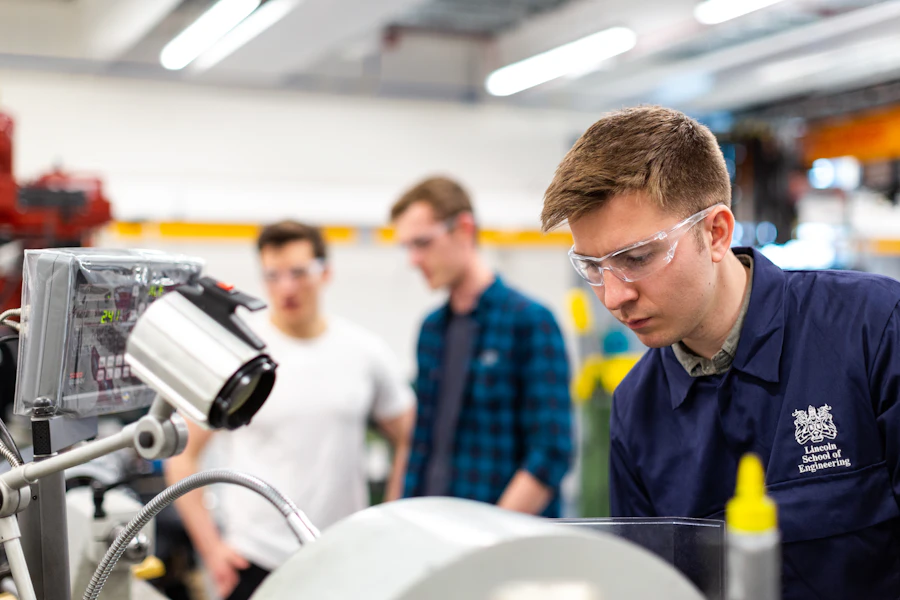
Internal Gas Installations for Houses and Apartments
In apartments, the gas line usually supplies appliances such as a combi boiler, a hob and sometimes a decorative gas fire. The pipe route should be as short and safe as possible and allow access for servicing.
Incorrect pipe sizing, excessive use of bends or non-compliant connections can impair appliance performance and safety.
Benefits and points to note
| Suitable buildings | Apartments, detached houses, villas, small offices |
|---|---|
| Appliances | Combi boilers, hobs, gas water heaters, gas boilers, gas fires |
| Advantages | Economical fuel, fast heating, extensive service network |
| Disadvantages | Non-compliant installation poses a safety risk; regular inspection is required |

Gas Installations for Restaurants, Cafés and Commercial Kitchens
In commercial kitchens, the gas line supplies hobs, ovens, kebab grills, griddles, boilers and industrial cooking equipment. As consumption in these settings is high, pipe sizing and pressure calculations are particularly important.
Gas shut-off valves, solenoid valves, gas detection systems and integration with the ventilation system are critical for safe operation.
Technical requirements
| Suitable premises | Restaurants, cafés, hotel kitchens, production kitchens |
|---|---|
| Consumption | Depends on appliance output; considerably higher in commercial kitchens than in homes |
| Advantages | High cooking power, low operating costs, continuous use possible |
| Disadvantages | Risk increases if ventilation, gas detection and maintenance are neglected |
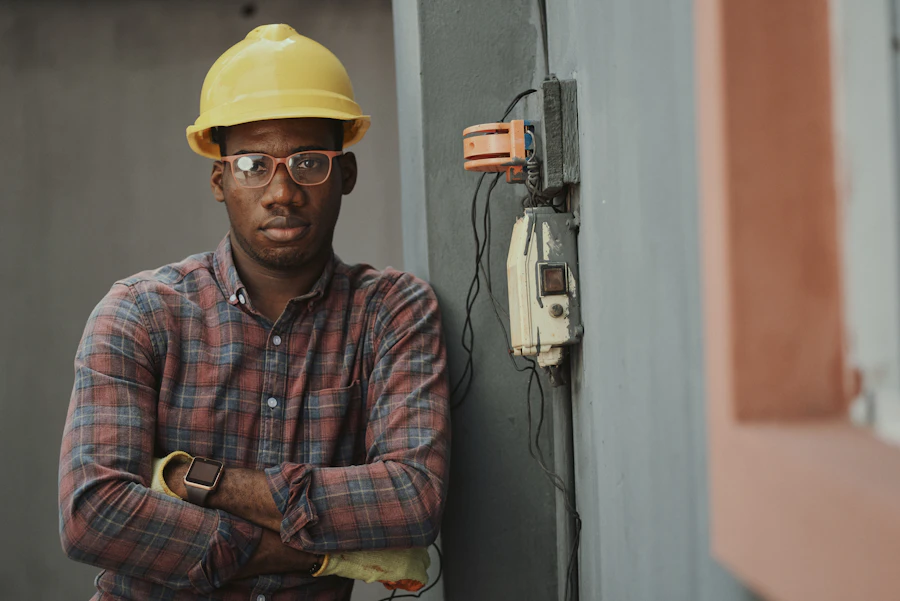
Gas Supply Lines for Boiler Rooms and Central Heating
Apartment buildings, hotels, business centres and commercial buildings use higher-capacity gas lines to supply central boilers. Here, the gas line, burner, boiler, safety equipment, flue and ventilation must be designed together.
Correct design has a direct impact on both safety and the efficient operation of the appliance.
Impact on energy and safety
| Suitable buildings | Apartment buildings, hotels, schools, business centres, production facilities |
|---|---|
| Technical focus | Gas flow rate, pressure loss, burner connection, flue and ventilation |
| Advantages | Central control, high capacity, efficient operation in large buildings |
| Disadvantages | Poor design and maintenance increase operational risk |
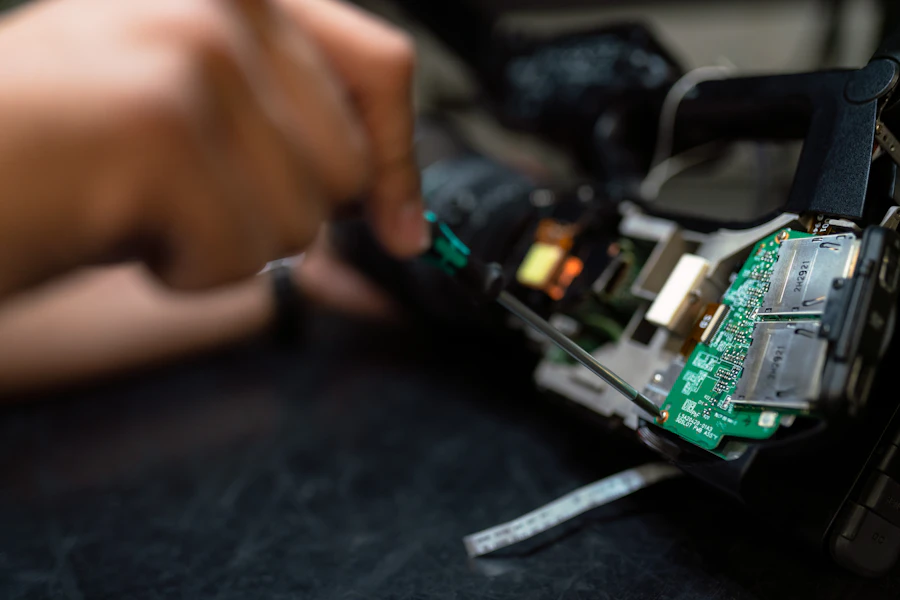
Tightness Testing, Leak Checks and Commissioning
Testing is one of the most important stages of a gas installation. Once the installation is complete, a tightness test is carried out at the appropriate pressure, the joints are inspected and the appliance connections are assessed for safety.
This process should be regarded as mandatory to prevent future leaks, poor performance or safety problems.
Points inspected
| When is it carried out? | For new installations, alterations, appliance replacement, suspected leaks and periodic inspections |
|---|---|
| Benefit for you | Safe use, early fault detection, sustained system performance |
| Important note | If you smell gas, do not use any appliances, ventilate the room and notify the gas emergency service |
What should you consider when having a gas installation fitted?
1. Do not commission work from unqualified installers.
A gas installation is safety-critical work. It must be carried out by qualified, experienced teams working to the applicable standards.
2. Pipe diameters must match the appliance capacity.
Incorrect sizing reduces the gas flow, impairs appliance performance and can increase the risk of faults later on.
3. Ventilation and flue requirements must not be neglected.
For combi boilers, boilers and commercial kitchens, combustion air, exhaust and flue details are essential to system safety.
4. The system must not be used before it has been tested.
After installation, the tightness test, joint inspection and appliance connection checks must be completed.
Let’s plan your gas installation safely and professionally.
We will support your residential, restaurant, commercial kitchen or boiler room project through the site survey, installation, testing and commissioning.